Tod in Badger's Drift: Unraveling the Web of Deceit Around Inspector Barnaby
The picturesque English countryside, with its charming cottages and quaint villages, often serves as the perfect backdrop for idyllic dreams. Yet, as fans of the Badger's Drift: Unmasking the Deadly Secrets of a Quaint Village can attest, beneath this veneer of tranquility often lie sinister secrets and deadly betrayals. This stark contrast is never more apparent than in the inaugural episode of the beloved British crime drama, Inspector Barnaby, famously known as "Tod in Badger's Drift" (The Killings at Badger's Drift). Here, the seemingly peaceful hamlet becomes a stage for murder, where truth is a rare commodity, and everyone seems to have something to hide from the unassuming but sharp Inspector Tom Barnaby and his diligent Sergeant Troy.
The central question that haunts this captivating mystery, and indeed many of Barnaby's future investigations, is deceptively simple: why does no one tell the truth? In "Tod in Badger's Drift," the layers of deception are so intricate, so deeply ingrained in the community's fabric, that they present a formidable challenge even for a detective as astute as Barnaby. It's not just about witnesses withholding facts; it's about a collective conspiracy of silence, misdirection, and carefully crafted facades that make uncovering the truth an arduous, yet utterly compelling, journey.
Emily Simpson's Demise: Accident or Calculated Act?
The catalyst for Barnaby's arrival in Badger's Drift is the shocking death of Emily Simpson. Initially, her demise appears to be a tragic accident: an elderly woman, an orchid enthusiast, found at the bottom of her cottage stairs with a broken neck. The initial police assessment leans towards a fatal fall, a sad but unsuspicious end for a quiet villager. However, it doesn't take long for the cracks in this comfortable narrative to appear. Emily's neighbour and friend, Lucy Bellringer, is convinced otherwise. She vividly recalls seeing Emily emerge from the woods shortly before her death, visibly distraught and disturbed, a detail that immediately casts doubt on the 'accidental fall' theory.
This suspicion is quickly validated by forensic evidence. Inspector Barnaby, with his methodical approach, soon discovers that Emily Simpson did not simply fall. She was brutally struck down by a blunt object, making her death unequivocally a murder. Further investigation into her personal life reveals another unsettling detail: just prior to her death, Emily had made a call to a telephone helpline, hinting at a deep distress or a confession she was unable to voice. These early revelations lay bare the fundamental truth of Badger's Drift: what appears on the surface is rarely the full story. As the investigation into Inspector Barnaby's First Case: Solving the Emily Simpson Murder unfolds, it becomes clear that Emily Simpson's death is not an isolated incident but a thread in a much larger, darker tapestry.
The Web of Silence: Why Villagers Withhold the Truth
In "Inspector Barnaby Tod In Badger’s Drift," the silence of the villagers is almost as potent as the crime itself. Barnaby and Troy quickly discover that beneath the polite smiles and manicured gardens, a palpable sense of unease and mistrust pervades. Everyone seems to be watching everyone else, yet no one is willing to speak candidly. But why this collective omertà?
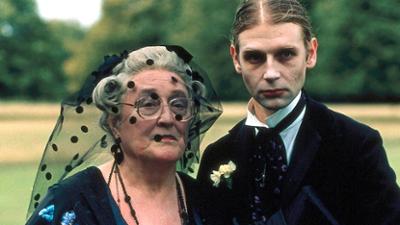
One of the most striking examples of this veiled communication comes from the eccentric mother-and-son duo, Iris and Dennis Rainbird. From their vantage point in their house, equipped with a telescope, they observe all happenings in the village, a self-appointed surveillance team. Dennis, the local undertaker, and his mother, Iris, seem to know more than they let on. They are intensely interested in the circumstances of Emily Simpson's death and are the first to mention a peculiar, years-old death that had previously shaken the community. Yet, they do not offer direct testimony; instead, they provide cryptic clues and pointed observations, forcing Barnaby to connect the dots himself. They are, in Barnaby's own words, "a thorn in his eye" not because they lie outright, but because they meticulously curate their disclosures, revealing truth through omission and insinuation rather than direct statements.
The reasons for such widespread secrecy are multifaceted and deeply rooted in the psychology of small-town life:
- Protection of Reputation: In close-knit communities, personal and family reputations are paramount. Revealing uncomfortable truths, especially those that touch upon scandals, illicit affairs, or past transgressions, could shatter decades of carefully maintained respectability.
- Fear of Retribution: When a ruthless killer is at large, fear becomes a powerful motivator for silence. Villagers might genuinely be terrified of becoming the next victim if they are perceived as cooperating too openly with the police.
- Shared Complicity or Guilt: Some may be protecting themselves or loved ones who have played a minor, perhaps unwitting, role in the larger scheme. Others might harbor old secrets that, if exposed, would implicate them in unrelated but equally damaging events.
- Maintaining the "Idyll": There's often a collective desire to preserve the illusion of a perfect, crime-free village. Admitting to internal strife or heinous crimes could destroy the very fabric of their perceived paradise.
- Personal Gain: In some cases, withholding information might be tied to inheritance, property, or other forms of personal gain that hinge on the secret remaining buried.
Barnaby's challenge, therefore, is not merely to find a killer, but to meticulously peel back these layers of social conditioning, fear, and self-preservation to reach the uncomfortable truths buried beneath.
Barnaby's Unyielding Quest for Honesty
Inspector Barnaby's approach to the entrenched deceit in Badger's Drift perfectly showcases his unique detective style. Unlike more aggressive investigators, Barnaby often employs a quiet, almost gentle persistence. He understands that outright confrontation can cause people to retreat further into their shells. Instead, he listens intently, observing nuances in body language, contradictions in seemingly innocuous statements, and the unspoken tensions between individuals. He allows the villagers to believe they are subtly guiding him, while in reality, he is skillfully drawing out their concealed truths.
He is a master of reading between the lines, knowing that what is *not* said is often as important as what is. His strategy involves building a rapport, however fragile, and creating opportunities for slivers of truth to emerge naturally. For instance, his interactions with the Rainbirds are crucial. He tolerates their eccentricities, understanding that despite their strange delivery, they possess vital pieces of the puzzle. His patience in dealing with their circuitous answers eventually pays off, allowing him to piece together the narrative fragments they offer.
Tips for Aspiring Sleuths (and Barnaby Fans):
- Observe Beyond Words: Pay attention to non-verbal cues – nervous fidgeting, averted gazes, overly enthusiastic denials. These often betray discomfort with the truth.
- Look for Omissions: What information is conspicuously absent from a story? People often omit details that would incriminate them or others.
- Question the Obvious: If everyone agrees on a particular narrative, especially one that seems too neat, it's often the first place to dig deeper.
- Understand Motivations: Consider why someone might lie or withhold information. Is it fear, shame, loyalty, or personal gain? This helps in tailoring your approach.
Unmasking the Past and the Perfidious Plan
As Inspector Barnaby and Sergeant Troy dig deeper, they discover that Emily Simpson's murder is intricately linked to a past tragedy, previously dismissed or conveniently forgotten by the community. The seemingly idyllic village harbored a deeply unsettling history, and the current murder is merely the culmination of a "perfidious plan" that has been years in the making. The killer is not only ruthless but also meticulously cunning, orchestrating events to conceal their true motives and actions.
The link between the two deaths reveals a shocking level of cold calculation and a willingness to eliminate anyone who threatens to expose the long-held secret. The villagers' reluctance to speak is ultimately rooted in a fear, not just of the present killer, but of the repercussions of unveiling a past that many wished would remain buried forever. Barnaby's skill lies in his ability to unravel this complex tapestry of old grudges, hidden desires, and long-simmering resentments, ultimately exposing the depths of human depravity lurking beneath Badger's Drift's charming exterior.
The enduring appeal of "Tod in Badger's Drift" and the entire Inspector Barnaby series stems from this intricate dance between idyllic settings and dark human nature. The episode is a masterclass in how a community's collective silence can both protect and condemn, and how a dedicated detective like Tom Barnaby must navigate this treacherous landscape of half-truths and deliberate falsehoods to bring justice to the victims.